
MRI for Pets at MaxPetZ: The Future of Veterinary Diagnostics
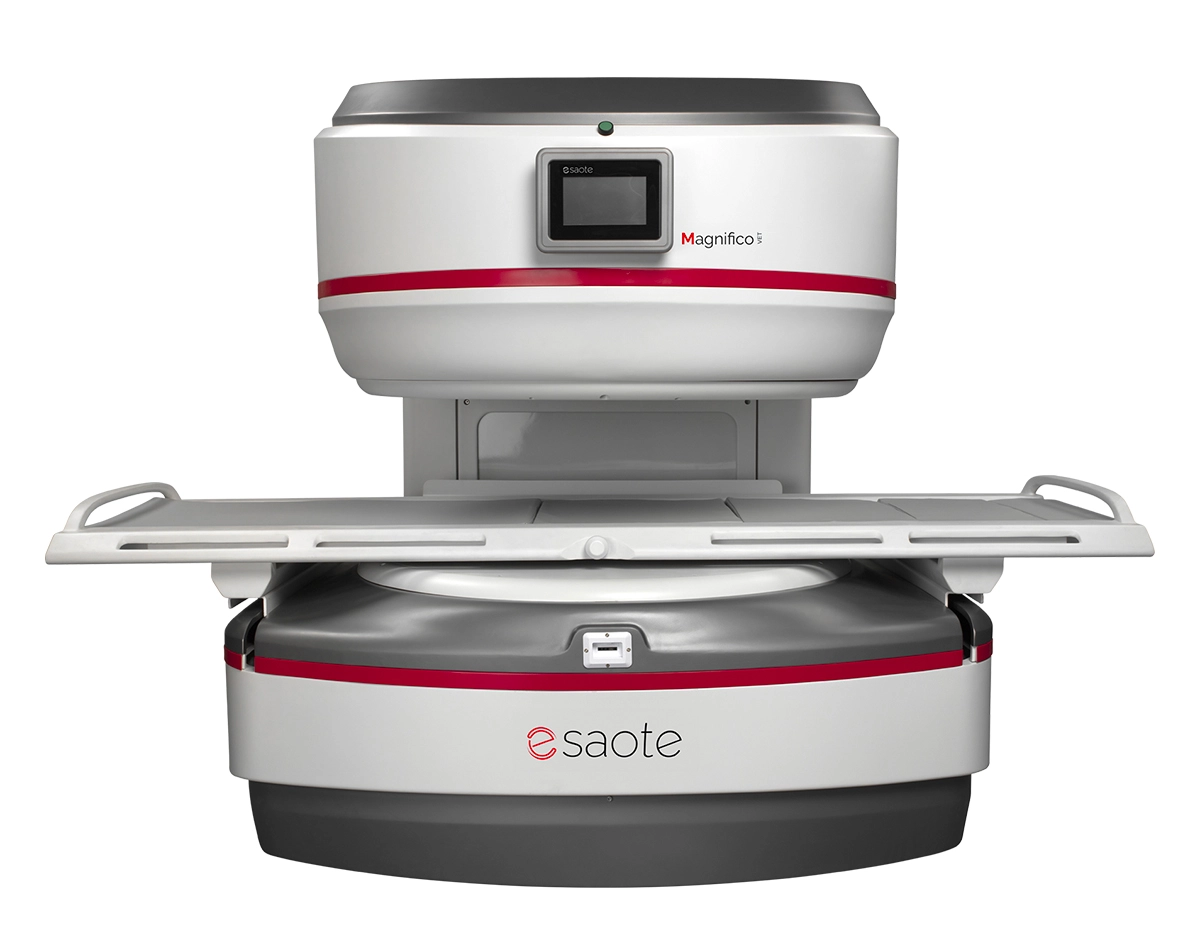
When your pet is facing a complex medical issue, the first and most important step is an accurate diagnosis. At MaxPetZ, we’ve invested in the Vet-Magnifico MRI (by Esaote)—the most advanced veterinary-specific MRI system available today. We’re proud to be the first veterinary hospital in the Asia Pacific region to offer this breakthrough technology.
This upgrade doesn’t just mean better pictures. It means:
Earlier detection of diseases
Safer, faster, more comfortable scans for pets
More precise surgical planning for complex cases
Better collaboration with referring veterinarians
In short: more answers, fewer uncertainties.
Why MRI is a Game-Changer in Veterinary Medicine
MRI (Magnetic Resonance Imaging) is the gold standard for visualizing soft tissues in the body. Using powerful magnets and radio waves (no radiation), MRI produces high-resolution, 3D images of the brain, spinal cord, joints, and internal organs.
For pet parents, this means:
Detecting conditions like brain tumors, slipped discs, spinal injuries, ligament tears, and internal organ problems with confidence.
A safer, faster, more comfortable scan designed specifically for pets (not repurposed from human machines).
Clear answers that lead to a tailored treatment plan.
For veterinarians, MRI provides:
Unmatched soft tissue contrast for neurology, orthopedics, and oncology.
Detailed surgical roadmaps that improve efficiency and outcomes.
Early, accurate diagnoses that allow for targeted therapies and better prognoses.
MRI vs. CT: Which One Does My Pet Need?
Many pet parents wonder: “Why not just do a CT scan?”
The truth is, CT and MRI are complementary tools—each has strengths depending on what we’re looking for.
Here’s how they compare:
Feature | CT Scan (Computed Tomography) 🩻 | MRI (Magnetic Resonance Imaging) 🧲 |
Best for | Bones, lungs, complex fractures, nasal cavities | Brain, spinal cord, nerves, ligaments, joints, soft tissues |
Image Type | X-rays taken from multiple angles → 3D cross-sections | Magnetic fields & radio waves → high-resolution soft tissue detail |
Speed | Very fast (minutes) | Longer (30–90 minutes) |
Comfort | Requires anesthesia (short duration) | Requires anesthesia (longer duration, monitored by ICU team) |
Radiation Exposure | Yes (low dose) | None (uses magnets, not X-rays) |
Common Uses | - Tumor staging in chest/abdomen - Fractures & orthopedic evaluation - Spinal bone issues - Nasal disease | - Brain tumors, epilepsy, seizures - Spinal cord compression, slipped discs - Nerve injuries - Soft tissue injuries (ligaments, muscles) |
Referral Value | Excellent for oncology & surgical planning | Essential for neurology & orthopedic soft tissue precision |
👉 In simple terms: CT shows us bones and structure, MRI shows us nerves and soft tissues. At MaxPetZ, we use both depending on what your pet needs.
Real-World Scenarios
If your dog suddenly can’t walk in their back legs → An MRI is best to see if a slipped disc or spinal cord injury is the cause.
If your cat has a suspicious mass in the lungs → A CT scan will show the tumor and help stage it before surgery.
If your pet has seizures with no clear cause → An MRI is the gold standard to rule out brain disease.
If your dog has a complex fracture → A CT scan helps surgeons plan the repair in detail.
Why the Vet-Magnifico MRI is Different
Most veterinary MRIs are adapted from older human machines. The Vet-Magnifico is built specifically for animals, meaning:
Faster scans with protocols tailored for pets
Safer anesthesia times thanks to shorter imaging sequences
Greater comfort for pets of all sizes—from tiny cats to large-breed dogs
Higher clarity for both everyday cases and the most complex conditions
This system makes MRI more accessible and safer than ever before.
FAQs About MRI for Pets
Q: Is MRI safe for pets?
A: Yes. MRI uses magnets and radio waves—no radiation. Pets are placed under anesthesia for stillness and comfort, monitored by our ICU team throughout.
Q: How long does the MRI take?
A: Most scans take 30–90 minutes, depending on the body part being studied.
Q: Will my vet get the results?
A: Absolutely. Referring veterinarians receive a full report and images, and we’re always available for case discussions.
Q: How soon will I know the results?
A: Pet parents usually receive answers the same day. Complex pathology may require additional review.
Q: When should my pet have an MRI?
A: If they have seizures, paralysis, unexplained pain, or suspected neurological/soft tissue disease, MRI is often the most definitive test.
The MaxPetZ Advantage
🏆 First in Asia Pacific with Vet-Magnifico MRI technology
🩺 Specialist-led team in neurology, orthopedics, and oncology
🏥 Critical Care Unit support for safe anesthesia and recovery
⚡ Fast turnaround on reports for both families and referring vets
🤝 Referral-first approach: We work closely with your veterinarian for continuity of care
👉 Whether you are a pet parent searching for answers or a veterinarian seeking referral-level diagnostics, the Vet-Magnifico MRI at MaxPetZ delivers clarity, safety, and precision.
📞 Contact MaxPetZ today to schedule an MRI—or to refer a case for advanced imaging.